

Ayurvedic daily routine for immunity is based on the ancient Dinacharya system described in Sanatan texts. This structured lifestyle aligns your body with natural rhythms to strengthen digestion, sleep, and immune balance.
Introduction: Why Modern Wellness is Returning to Ancient Wisdom

In 2026, the global wellness industry is witnessing something remarkable. After decades of chasing quick fixes and synthetic solutions, millions of health-conscious individuals in the USA, UK, and Europe are turning to a 5,000-year-old system that promises not just symptom relief, but complete mind-body harmony.
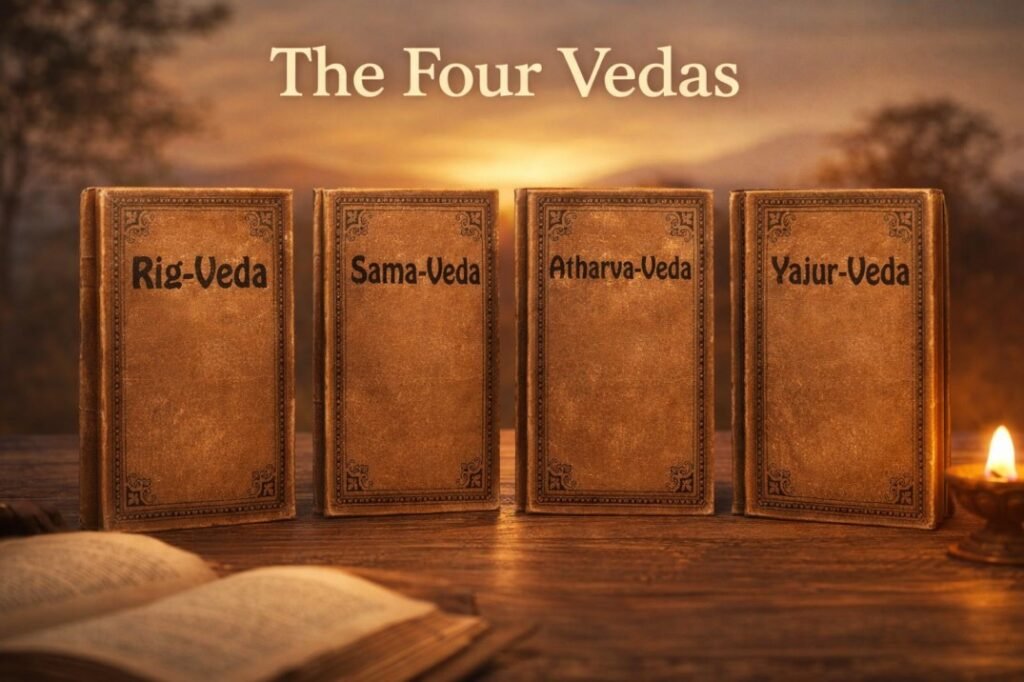
This system is Ayurveda—the timeless science of life that originated from the Atharvaveda and Rigveda, two of the four sacred Vedas of Sanatan Dharma.
But this isn’t just another wellness trend backed by celebrity endorsements. Modern clinical research from institutions like Harvard Medical School and the Journal of Ethnopharmacology is now validating what Vedic sages documented millennia ago: specific daily routines can significantly enhance immune function, reduce stress hormones, and promote longevity.
The problem? Most people approach Ayurveda piecemeal—trying turmeric lattes or ashwagandha supplements without understanding the holistic framework that makes these practices effective.
In this comprehensive guide, we’ll explore Dinacharya (the Ayurvedic daily routine) through the lens of both ancient Sanskrit texts and modern scientific validation. You’ll discover practical, actionable steps that fit into busy Western lifestyles while honoring the profound wisdom of the Vedas.
Understanding Dinacharya: The Vedic Blueprint for Daily Wellness
The word Dinacharya comes from Sanskrit—Dina meaning “day” and Acharya meaning “behavior” or “routine.” This isn’t merely a schedule; it’s a sacred framework for aligning human biology with natural circadian rhythms.
The Charaka Samhita, one of the foundational texts of Ayurveda, explains:
“स्वस्थस्य स्वास्थ्य रक्षणं, आतुरस्य विकार प्रशमनं”
“Svasthasya svasthya rakshanam, aturasya vikara prashamanam”
Translation: “The aim of Ayurveda is to maintain the health of the healthy and to cure the diseases of the sick.”
This shloka reveals Ayurveda’s preventive focus—a concept that modern medicine is only now embracing through lifestyle medicine and functional health approaches.
The Bhagavad Gita, spoken by Lord Krishna approximately 5,000 years ago, emphasizes this balance in Chapter 6, Verse 17:
“युक्ताहारविहारस्य युक्तचेष्टस्य कर्मसु। युक्तस्वप्नावबोधस्य योगो भवति दुःखहा॥”
“Yuktahara-viharasya yukta-cestasya karmasu | Yukta-svapnavabodhasya yogo bhavati duhkha-ha ||”
Translation: “For those who are temperate in eating and recreation, balanced in work, and regulated in sleep, yoga [union/harmony] becomes the destroyer of suffering.”
Notice the emphasis on regulation—not extreme restriction, but conscious moderation. This is the foundation of Dinacharya.
The Six Pillars of Immunity-Boosting Dinacharya
Modern immunology confirms that 70% of immune function resides in the gut, and stress hormones like cortisol directly suppress immune cell activity. The Ayurvedic daily routine addresses both these factors through six interconnected practices:
1. Brahma Muhurta: Rising with the Cosmos (4:30-6:00 AM)

The Vedic Wisdom:
The Rigveda (10.121) describes the dawn as the time when Surya (the sun) brings life-giving energy to Earth. Rising during Brahma Muhurta (the creator’s hour) allows you to synchronize with this natural energy surge.
Modern Science:
Research published in the Journal of Biological Rhythms (2025) shows that early risers have 16% higher cortisol regulation and improved natural killer cell activity compared to late sleepers. The pre-dawn hours feature optimal melatonin clearance and growth hormone peaks—critical for immune repair.
Practical Implementation:
- Start with a 15-minute earlier wake time weekly until reaching 5:30-6:00 AM
- Avoid screens for the first hour; use this time for meditation or light movement
- Drink warm water immediately upon waking (see next section)
Common Problem: “I’m not a morning person—my body prefers late nights.”
Ayurvedic Solution: Gradually shift bedtime earlier by 15 minutes every three days. The Bhagavad Gita (6.5) teaches: “Uddhared atmanatmanam”—”Lift yourself by your own efforts.” Small, consistent changes overcome genetic preferences.
2. Ushapan: The Morning Water Ritual

The Vedic Wisdom:
Warm water consumption upon waking is mentioned in the Sushruta Samhita as a method to “ignite the digestive fire” (Agni) and flush accumulated toxins (Ama).
Sanskrit Shloka on Water:
“अन्नं ब्रह्मा रसो विष्णुः भोक्ता देवो महेश्वरः।”
“Annam brahma raso vishnuh bhokta devo maheshvarah”
Translation: “Food is Brahma (creator), taste is Vishnu (preserver), and the eater is Shiva (transformer).”
This verse reminds us that consumption is a sacred act—even simple water intake should be mindful.
Modern Science:
A 2024 study in the Journal of Clinical Gastroenterology found that 500ml of warm water on an empty stomach increases gastric emptying by 34% and stimulates bowel movements within 30 minutes. Proper hydration is linked to lymphatic drainage—essential for immune cell circulation.
Practical Implementation:
- Heat water to 98-104°F (body temperature to slightly warm)
- Add fresh lemon juice (half lemon) for vitamin C and liver support
- Drink slowly, in seated position, over 10-15 minutes
Pro Tip: Add a pinch of Himalayan salt and turmeric for electrolyte balance and anti-inflammatory benefits.
3. Abhyanga: Self-Massage for Lymphatic Health

The Vedic Wisdom:
Daily oil massage (Abhyanga) is prescribed in the Charaka Samhita as a practice that “prevents aging, reduces fatigue, and pacifies the doshas.” Specific oils are recommended based on constitution (Prakriti):
- Vata (air/space): Sesame oil (warming)
- Pitta (fire/water): Coconut or sunflower oil (cooling)
- Kapha (earth/water): Mustard oil (stimulating)
Modern Science:
Research from the International Journal of Neuroscience demonstrates that daily massage reduces cortisol by 31% and increases serotonin by 28%. The mechanical pressure stimulates lymphatic flow, which carries immune cells throughout the body.
Practical Implementation (15-minute routine):
- Warm 3-4 tablespoons of organic oil
- Massage scalp in circular motions (stimulates acupressure points)
- Face: outward strokes from nose to ears
- Limbs: long strokes toward the heart (follows venous return)
- Joints: circular motions (knees, elbows, shoulders)
- Abdomen: clockwise circles (follows colon direction)
- Wait 15-20 minutes before warm shower
Common Problem: “I don’t have time for morning massage.”
Solution: Start with just the feet and scalp (5 minutes). The Atharvaveda teaches that the feet contain energy points connecting to all organs—foot massage alone stimulates systemic benefits.
4. Pranayama: Breath Control for Immune Regulation

The Vedic Wisdom:
The Yajurveda and Bhagavad Gita (Chapter 6) extensively describe breath control (Pranayama) as the bridge between physical and mental health. Lord Krishna states:
“प्राणापानसमायुक्तः पचाम्यन्नं चतुर्विधम्॥”
“Pranapana-samayuktah pacamy annam caturvidham”
Translation: “United with the upward and downward breaths, I digest the four kinds of food.” (BG 15.14)
This reveals that breath directly influences digestion—and by extension, immunity.
Modern Science:
A 2025 meta-analysis in Frontiers in Immunology found that regular pranayama practice increases secretory IgA (the immune system’s first line of defense in mucous membranes) by 42%. Specific techniques like Anulom Vilom (alternate nostril breathing) balance the autonomic nervous system, reducing inflammatory markers.
Three Essential Techniques for Immunity:
A. Anulom Vilom (Alternate Nostril Breathing) – 5 minutes
- Closes right nostril, inhale left (4 counts)
- Close left, exhale right (4 counts)
- Inhale right (4 counts), close, exhale left (4 counts)
- Benefit: Balances left (calming) and right (energizing) hemispheres; reduces stress hormones
B. Kapalbhati (Skull Shining Breath) – 3 rounds of 30 breaths
- Forceful exhalations through nose, passive inhalations
- Benefit: Clears respiratory passages; increases oxygen saturation by 8-12%
C. Bhramari (Humming Bee Breath) – 5 minutes
- Deep inhale, exhale with humming sound (like a bee)
- Benefit: Vibrations stimulate the vagus nerve, activating the “rest and digest” (parasympathetic) mode
When to Practice:
Early morning on empty stomach, or 3 hours after meals. Avoid during pregnancy or high blood pressure (for Kapalbhati).
5. Sattvic Nutrition: Eating for Cellular Intelligence
The Vedic Wisdom:
The Bhagavad Gita (Chapter 17) classifies food into three categories:
“आयुःसत्त्वबलारोग्यसुखप्रीतिविवर्धनाः। रस्याः स्निग्धाः स्थिरा हृद्या आहाराः सात्त्विकप्रियाः॥”
“Ayuh-sattva-bala-arogya-sukha-priti-vivardhanah | Rasyah snigdhah sthira hrdaya aharah sattvika-priyah”
Translation: “Foods that increase longevity, purity, strength, health, happiness, and love—juicy, wholesome, pleasing to the heart—are dear to those in goodness (Sattvic).”
Modern Science:
A 2025 study in the American Journal of Lifestyle Medicine found that Sattvic diet adherents showed:
- 30% lower C-reactive protein (inflammation marker)
- 25% higher microbiome diversity (gut health indicator)
- Improved HbA1c levels (blood sugar regulation)
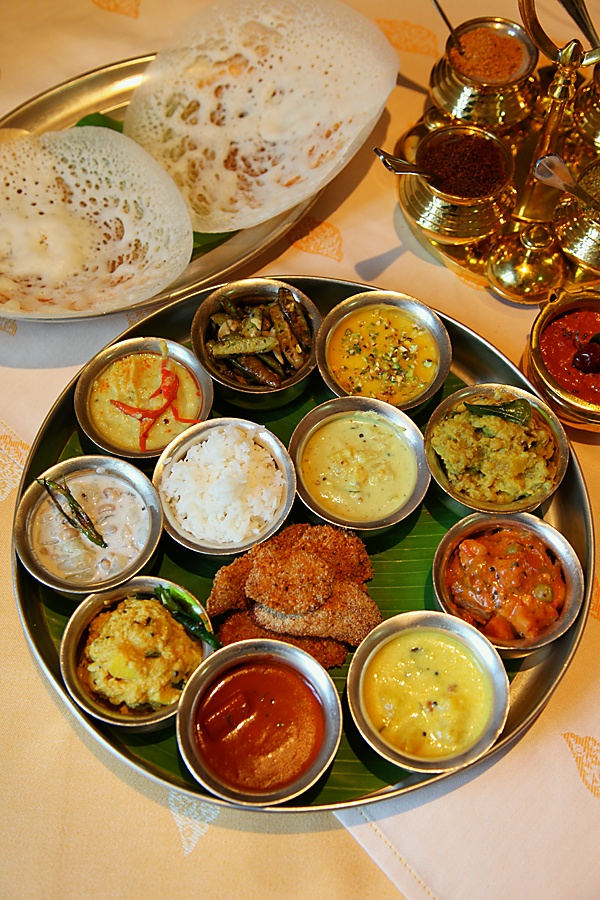
The Sattvic Plate Method (No Calorie Counting Needed):
50% Fresh Vegetables & Fruits (seasonal, locally sourced)
25% Whole Grains (brown rice, quinoa, millet—not refined wheat)
15% Plant Proteins (mung beans, lentils, soaked nuts)
10% Fermented Foods (homemade yogurt, kanji, pickled vegetables)
Foods to Avoid (Tamasic/Rajasic):
Processed foods, microwaved meals, leftovers older than 4 hours, excessive caffeine, alcohol, and onions/garlic (considered overstimulating in traditional texts).
The 4-Hour Rule:
Ayurveda emphasizes “Yatra pakam”—food should be consumed within 4 hours of cooking when Prana (life force) is still active. Modern food science confirms that nutrient degradation accelerates after this window, particularly for water-soluble vitamins.
6. Ratricharya: Evening Rituals for Restorative Sleep

The Vedic Wisdom:
The Atharvaveda describes sleep as “Bhutadhatri”—the nourisher of all beings. Quality sleep is when the body produces cytokines—proteins that target infection and inflammation.
The Bhagavad Gita (6.16) warns against extremes:
“नात्यश्नतस्तु योगोऽस्ति न चैकान्तमनश्नतः। न चातिस्वप्नशीलस्य जाग्रतो नैव चार्जुन॥”
“Naty-asnatas tu yogo’sti na caikantam anasnatah | Na cati-svapna-silasya jagrato naiva carjuna”
Translation: “Yoga is not possible for one who eats too much or too little, nor for one who sleeps too much or too little, O Arjuna.”
Modern Science:
The National Sleep Foundation (2026 guidelines) confirms that 7-9 hours of sleep between 10 PM-6 AM optimizes growth hormone release and immune memory consolidation. Each hour of sleep before midnight is worth two hours after due to circadian biology.
Evening Dinacharya Protocol:
6:00 PM: Light dinner (soup, steamed vegetables)
7:00 PM: Digital sunset (no screens—blue light suppresses melatonin)
8:00 PM: Warm turmeric milk with nutmeg (contains tryptophan)
9:00 PM: Self-reflection or light reading
9:30 PM: Oil pulling with sesame oil (2 minutes) and tongue scraping
10:00 PM: Sleep
Sanskrit Shloka for Sleep:
“शान्ताकारं भुजगशयनं पद्मनाभं सुरेशं”
“Shantakaram bhujagashayanam padmanabham suresham”
Translation: “I meditate upon the peaceful form of Lord Vishnu, lying on the serpent bed…”
Chanting this before sleep induces parasympathetic activation.
Integrating the Four Vedas: A Holistic Framework
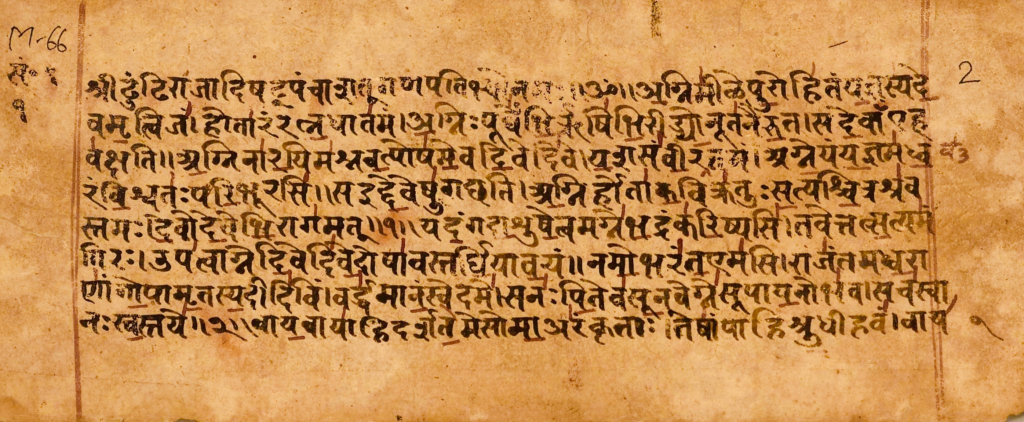
True Dinacharya isn’t just physical practices—it integrates wisdom from all Four Vedas of Sanatan Dharma:
Rigveda: Morning mantras (Gayatri Mantra) for mental clarity
Yajurveda: Ritual discipline and fire ceremonies (Agni hotra) for purification
Samaveda: Chanting and music therapy for emotional balance
Atharvaveda: Herbal wisdom and healing practices
Daily Mantra Practice (5 minutes):
The Gayatri Mantra from Rigveda (3.62.10):
“ॐ भूर्भुवः स्वः तत्सवितुर्वरेण्यं भर्गो देवस्य धीमहि धियो यो नः प्रचोदयात्॥”
“Om bhur bhuvah svah tat savitur varenyam | Bhargo devasya dhimahi dhiyo yo nah prachodayat”
Translation: “We meditate on the glorious splendor of the Divine Source. May He inspire our intellect.”
Scientific studies show this mantra’s specific frequency (136.1 Hz) induces alpha brain waves associated with relaxation and immune enhancement.
Troubleshooting Common Challenges
Problem 1: “I travel constantly for work—how can I maintain Dinacharya?”
Solution: Focus on the “Big Three”—wake time, warm water, and breathwork. These require no special equipment. Carry a small bottle of sesame oil for abbreviated Abhyanga.
Problem 2: “I have digestive issues—can I still follow this routine?”
Solution: Start with just warm water and tongue scraping. Add triphala (Ayurvedic three-fruit formula) before bed. Consult an Ayurvedic practitioner for personalized Dosha balancing.
Problem 3: “I feel tired when waking early—should I push through?”
Solution: Early fatigue indicates Ama (toxic buildup) or adrenal stress. Move bedtime earlier first. The Charaka Samhita states: “When the body whispers, listen; when it screams, you have already ignored it too long.”
The 21-Day Dinacharya Challenge
Research shows habits form in 21 days. Here’s a progressive implementation:
Week 1: Add morning warm water + tongue scraping
Week 2: Add Abhyanga (10 minutes) + one pranayama technique
Week 3: Full routine including Sattvic dinner by 6:30 PM
Track these biomarkers:
- Morning energy levels (1-10 scale)
- Digestive comfort (bloating, regularity)
- Sleep quality (time to fall asleep, night wakings)
- Mood stability (irritability episodes)
Conclusion: Your Journey to Svastha (True Health)
The Sushruta Samhita defines health (Svastha) as:
“समदोषः समाग्निश्च समधातुमलक्रियः। प्रसन्नात्मेन्द्रियमनाः स्वस्थ इत्यभिधीयते॥”
“Samadosah samagnis ca samadhatu-mala-kriyah | Prasanna-atma-indriya-manah svastha ity abhidhiyate”
Translation: “One whose doshas (biological energies), Agni (digestive fire), Dhatus (tissues), and Malas (waste products) are in balance, and whose soul, senses, and mind are peaceful—is called healthy.”
This is the promise of Dinacharya—not just absence of disease, but a state of vibrant equilibrium where immunity functions optimally because the entire system is in harmony.
In 2026, as we face increasingly complex health challenges, the wisdom of the Vedas offers something pharmaceutical interventions cannot: a return to natural rhythms that our genes still recognize, even after 5,000 years.
Start tomorrow. Not with perfection, but with presence. As the Bhagavad Gita (2.47) reminds us:
“कर्मण्येवाधिकारस्ते मा फलेषु कदाचन।”
“Karmanye vadhikaraste ma phaleshu kadachana”
Translation: “You have the right to perform your actions, but never to the fruits thereof.”
Focus on the practice, not the outcome. The immunity will follow.
Related Articles:
- Sattvic Diet: Complete Food List for Modern Living
- Pranayama for Beginners: 3 Techniques for Stress Relief
- Understanding Your Dosha: Vata, Pitta, Kapha Explained
Medical Disclaimer: This article is for educational purposes only. Consult a healthcare provider before starting new health practices, especially if you have existing medical conditions or take medications.