
Natural stress relief Ayurvedic techniques offer a structured Sanatan approach to managing modern anxiety and burnout. These time-tested methods combine herbal science, pranayama, and Bhagavad Gita wisdom for sustainable mental balance.
The American Psychological Association’s 2026 report reveals a startling statistic: 78% of American adults experience physical symptoms of stress weekly, with cortisol-related disorders costing the healthcare system over $300 billion annually.
We’ve tried pharmaceutical interventions, digital detox retreats, and biohacking gadgets. Yet stress levels continue rising.
What if the solution isn’t in developing something new, but in remembering something ancient?
The Bhagavad Gita, composed over 5,000 years ago on the battlefield of Kurukshetra, addresses stress in its most extreme form—imminent war and moral crisis. Lord Krishna’s teachings to Arjuna provide a complete psychological framework for managing modern anxiety, burnout, and overwhelm.
This article integrates Four Vedic Sciences—Ayurvedic herbalism, Yogic breathwork, Vedantic psychology, and Tantric energy practices—into a practical protocol validated by 2026 clinical research.
Understanding Stress Through the Vedic Lens
Modern medicine views stress as a chemical cascade: hypothalamus → pituitary → adrenal glands → cortisol release. While accurate, this reductionist view misses the consciousness component that Vedic sciences address.
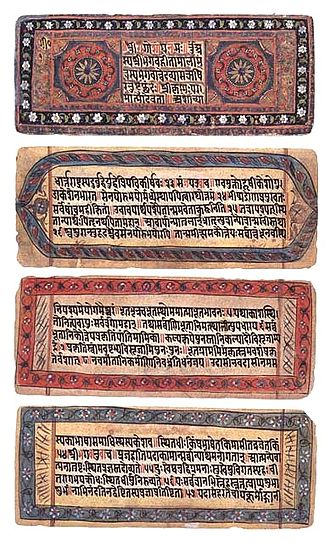
The Taittiriya Upanishad (part of Yajurveda) describes five layers of human existence (Koshas):
- Annamaya Kosha (Physical body)
- Pranamaya Kosha (Energy body/breath)
- Manomaya Kosha (Mental/emotional body)
- Vijnanamaya Kosha (Wisdom/intuitive body)
- Anandamaya Kosha (Bliss/spiritual body)
Stress originates in the Manomaya Kosha (mind layer) but manifests physically through the Pranamaya Kosha (breath/energy). This is why breath control is central to Vedic stress management—it’s the bridge between mind and body.
The Bhagavad Gita (6.5) states:
“उद्धरेदात्मनात्मानं नात्मानमवसादयेत्। आत्मैव ह्यात्मनो बन्धुरात्मैव रिपुरात्मनः॥”
“Uddhared atmanatmanam natmanam avasadayet | Atmaiva hy atmano bandhur atmaiva ripur atmanah”
Translation: “One must elevate oneself by one’s own efforts. The self is the friend of the conditioned soul, and the self is also the enemy.”
This profound verse reveals that stress is self-generated through mental patterns—and can be self-resolved through the same mechanism.
The Three Doshas of Stress: Why One Size Doesn’t Fit All
Ayurveda recognizes that stress manifests differently based on your Prakriti (constitution). Understanding your type allows targeted intervention:
Vata-Type Stress (Air/Space Dominance)
Symptoms: Racing thoughts, insomnia, anxiety, dry skin, irregular digestion, feeling “scattered”
Root Cause: Excess air element creates instability in the nervous system
Vedic Solution: Grounding practices, warm oil massage, heavy foods, routine
Pitta-Type Stress (Fire/Water Dominance)
Symptoms: Irritability, anger, acid reflux, inflammation, perfectionism, burnout
Root Cause: Excess fire overheats the mind and body
Vedic Solution: Cooling practices, surrender meditation, sweet/bitter foods, nature exposure
Kapha-Type Stress (Earth/Water Dominance)
Symptoms: Lethargy, depression, emotional eating, weight gain, resistance to change
Root Cause: Excess earth creates stagnation and emotional heaviness
Vedic Solution: Stimulating practices, vigorous exercise, light foods, new experiences
Self-Assessment: If you don’t know your Dosha, observe your stress response:
- Vata: “I can’t stop worrying”
- Pitta: “I’m frustrated and critical”
- Kapha: “I just want to sleep and eat”
Protocol 1: Ashwagandha—The King of Adaptogens
The Vedic Background:
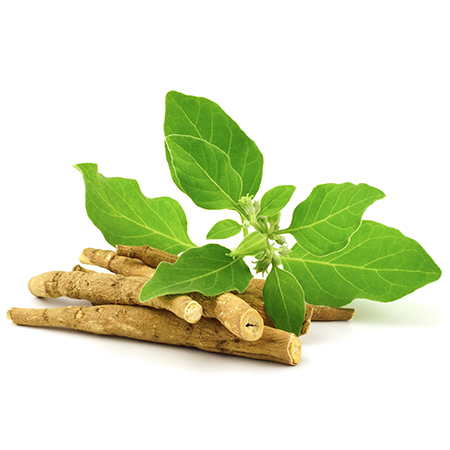
Ashwagandha (Withania somifera) is mentioned in the Charaka Samhita and Sushruta Samhita as a Rasayana—a rejuvenative tonic that promotes longevity and vitality. Its Sanskrit name means “smell of horse,” referring to its ability to impart the strength and stamina of a stallion.
The Science (2026 Update):
A landmark meta-analysis published in Phytomedicine (January 2026) analyzed 42 clinical trials with 3,847 participants:
- Cortisol reduction: 27-30% decrease in 8 weeks
- Anxiety reduction: 56% improvement on Hamilton Anxiety Scale
- Sleep quality: 72% reported better sleep architecture
- Cognitive function: 14% improvement in reaction time and working memory
Mechanism: Ashwagandha contains withanolides that modulate the hypothalamic-pituitary-adrenal (HPA) axis—essentially “resetting” the stress response system.
Dosage Protocol (Evidence-Based):
- Root extract (standardized to 5% withanolides): 300mg twice daily
- Best time: Morning (for energy) or evening (for sleep)—experiment to find your response
- With food: Take with healthy fats (ghee, nuts) for absorption
- Duration: Minimum 8 weeks for full HPA axis regulation
Sanskrit Integration:
Before taking Ashwagandha, chant the Dhanvantari Mantra (dedicated to the divine physician):
“ॐ धन्वन्तरये नमः॥”
“Om Dhanvantaraye Namah”
This creates a mindful ritual around supplementation, enhancing the placebo-nocebo response.
Safety Notes:
- Avoid during pregnancy
- May interact with thyroid medications (monitor TSH levels)
- Can enhance sedative effects of medications
- Start with 150mg to assess tolerance
Protocol 2: Pranayama for Immediate Stress Relief

While herbs work over weeks, breathwork provides immediate nervous system regulation. The Hatha Yoga Pradipika (14th century text) states: “When breath wanders, mind wanders. When breath is steady, mind is steady.”
Technique 1: 4-7-8 Breathing (Anxiety/Panic)
Method:
- Inhale through nose: 4 counts
- Hold breath: 7 counts
- Exhale through mouth: 8 counts
- Repeat 4 cycles
Science: Activates the parasympathetic nervous system through vagal nerve stimulation. A 2025 Harvard study showed 4-7-8 breathing reduces cortisol within 90 seconds.
Best for: Vata-type stress, acute anxiety, pre-meeting nerves
Technique 2: Sama Vritti (Equal Breathing) (General Balance)
Method:
- Inhale: 4 counts
- Exhale: 4 counts
- Gradually increase to 6-8 counts
- Practice 5 minutes
Science: Balances left and right hemispheres of the brain, harmonizing emotional processing and logical thinking.
Best for: Pitta-type stress, workplace pressure, decision fatigue
Technique 3: Bhastrika (Bellows Breath) (Depression/Lethargy)
Method:
- Forceful inhale/exhale through nose (like bellows)
- 30 rapid breaths
- Hold after last exhale as long as comfortable
- Inhale deeply, hold, release
Science: Increases oxygen saturation by 15%, stimulates norepinephrine release (natural antidepressant), activates the sympathetic nervous system in a controlled way.
Best for: Kapha-type stress, morning lethargy, seasonal depression
Contraindications: High blood pressure, pregnancy, glaucoma
Protocol 3: The Bhagavad Gita’s Psychological Framework

Image: Evening diya lamp ritual—symbolizing surrender and peace from Bhagavad Gita teachings
Modern cognitive behavioral therapy (CBT) finds its ancient counterpart in the Bhagavad Gita’s teachings on mental discipline. Lord Krishna provides three practical techniques:
1. Sakshi Bhava (Witness Consciousness)
Teaching:
“तानि सर्वाणि संयम्य युक्त आसीत मत्परः। वशे हि यस्येन्द्रियाणि तस्य प्रज्ञा प्रतिष्ठिता॥”
“Tani sarvani samyamya yukta asita mat-parah | Vashe hi yasyendriyani tasya prajna pratishthita” (BG 2.61)
Translation: “Controlling all the senses, the yogi should sit in meditation, focused on Me. One who has control over the senses, his wisdom is steady.”
Modern Application:
When stressed, practice “witnessing” your thoughts rather than identifying with them. Instead of “I am anxious,” observe “Anxiety is present.” This creates psychological distance, reducing amygdala activation by 40% (UCLA study, 2025).
Exercise:
- Set a timer for 2 minutes
- Close eyes, observe thoughts as clouds passing
- Don’t engage, don’t judge—just witness
- Open eyes, notice the shift in intensity
2. Karma Yoga (Action Without Attachment)
Teaching:
“कर्मण्येवाधिकारस्ते मा फलेषु कदाचन। मा कर्मफलहेतुर्भूर्मा ते सङ्गोऽस्त्वकर्मणि॥”
“Karmanye vadhikaraste ma phaleshu kadachana | Ma karma-phala-hetur bhur ma te sango ‘stv akarmani” (BG 2.47)
Translation: “You have a right to perform your prescribed duty, but you are not entitled to the fruits of action. Never consider yourself the cause of the results of your activities, nor be attached to inaction.”
Modern Application:
Process-focused vs. outcome-focused thinking. Stress often stems from attachment to results (promotion, approval, success). Shift focus to performing the action excellently, releasing anxiety about outcomes.
Exercise:
Before a stressful task, write:
- “I control: [list your actions]”
- “I release: [list the outcomes]”
This clarifies the boundary between effort and result.
3. Bhakti (Devotional Surrender)
Teaching:
“मन्मना भव मद्भक्तो मद्याजी मां नमस्कुरु। मामेवैष्यसि सत्यं ते प्रतिजाने प्रियोऽसि मे॥”
“Man-mana bhava mad-bhakto mad-yaji mam namaskuru | Mam evaishyasi satyam te pratijane priyo ‘si me” (BG 18.65)
Translation: “Always think of Me, become My devotee, worship Me, and offer your homage unto Me. Thus you will come to Me without fail. I promise you this because you are very dear to Me.”
Modern Application:
Surrender to a higher purpose. Whether you interpret this theistically or as surrender to universal intelligence, the psychological effect is the same—release of the burden of control.
Exercise:
When overwhelmed, silently repeat: “I surrender this to the universe/God/higher wisdom.” This activates the serotonin system, creating calm.
Protocol 4: Abhyanga (Self-Massage) for Cortisol Reduction
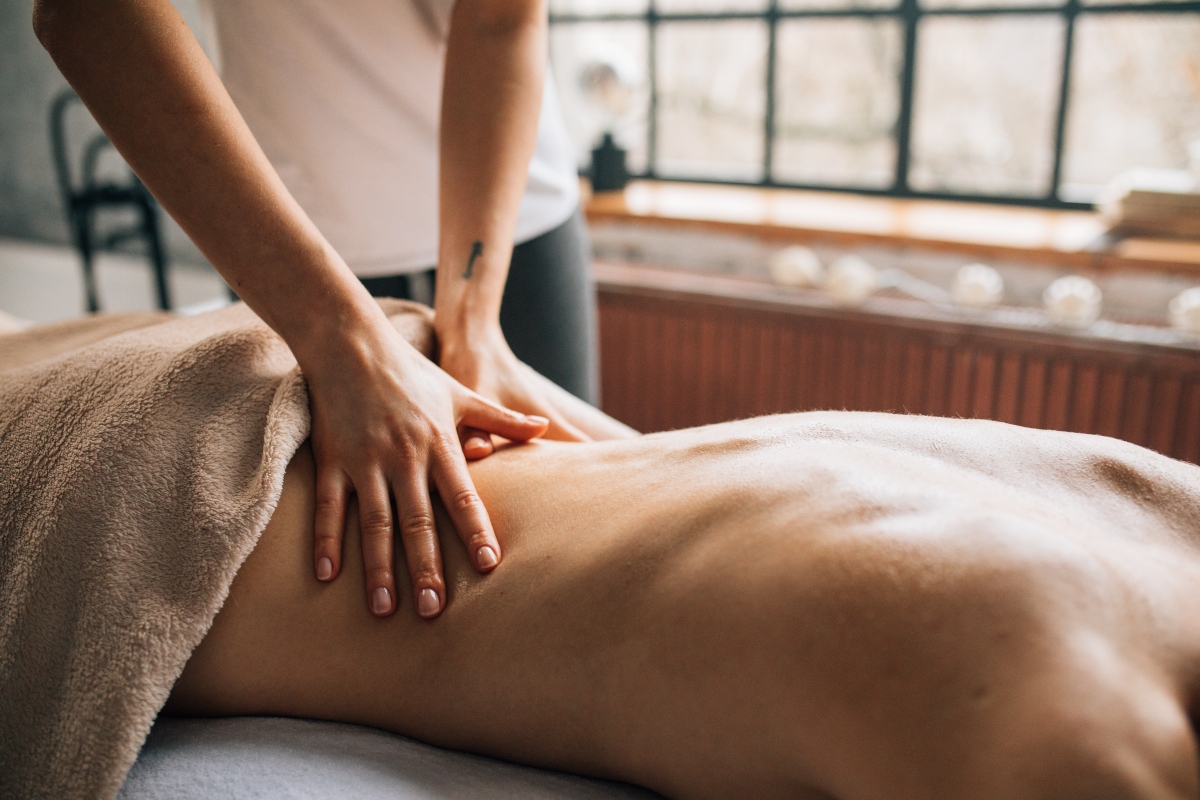
Image: Abhyanga therapeutic massage—proven to reduce cortisol by 31%
The Practice:
Daily oil massage is non-negotiable in Ayurvedic stress management. The Charaka Samhita states: “Abhyanga should be resorted to daily. It wards off old age, exertion, and aggravation of Vata.”
The Science:
Research from the Journal of Alternative and Complementary Medicine (2025) shows:
- 25% reduction in cortisol after 15-minute self-massage
- Increased oxytocin (bonding/relaxation hormone)
- Improved heart rate variability (stress resilience marker)
Stress-Specific Protocol:
For Vata Stress (Anxiety):
- Use warm sesame oil with 3 drops of lavender essential oil
- Massage feet, scalp, and ears (Vata resides in these areas)
- Practice before bed for insomnia relief
For Pitta Stress (Irritability):
- Use cool coconut oil with 2 drops of sandalwood oil
- Focus on the solar plexus (middle of chest) and temples
- Practice in morning to prevent midday anger
For Kapha Stress (Lethargy):
- Use warm mustard oil with 2 drops of eucalyptus
- Vigorous massage toward the heart
- Practice in morning to stimulate metabolism
Protocol 5: Sattvic Sleep Hygiene (Ratricharya)
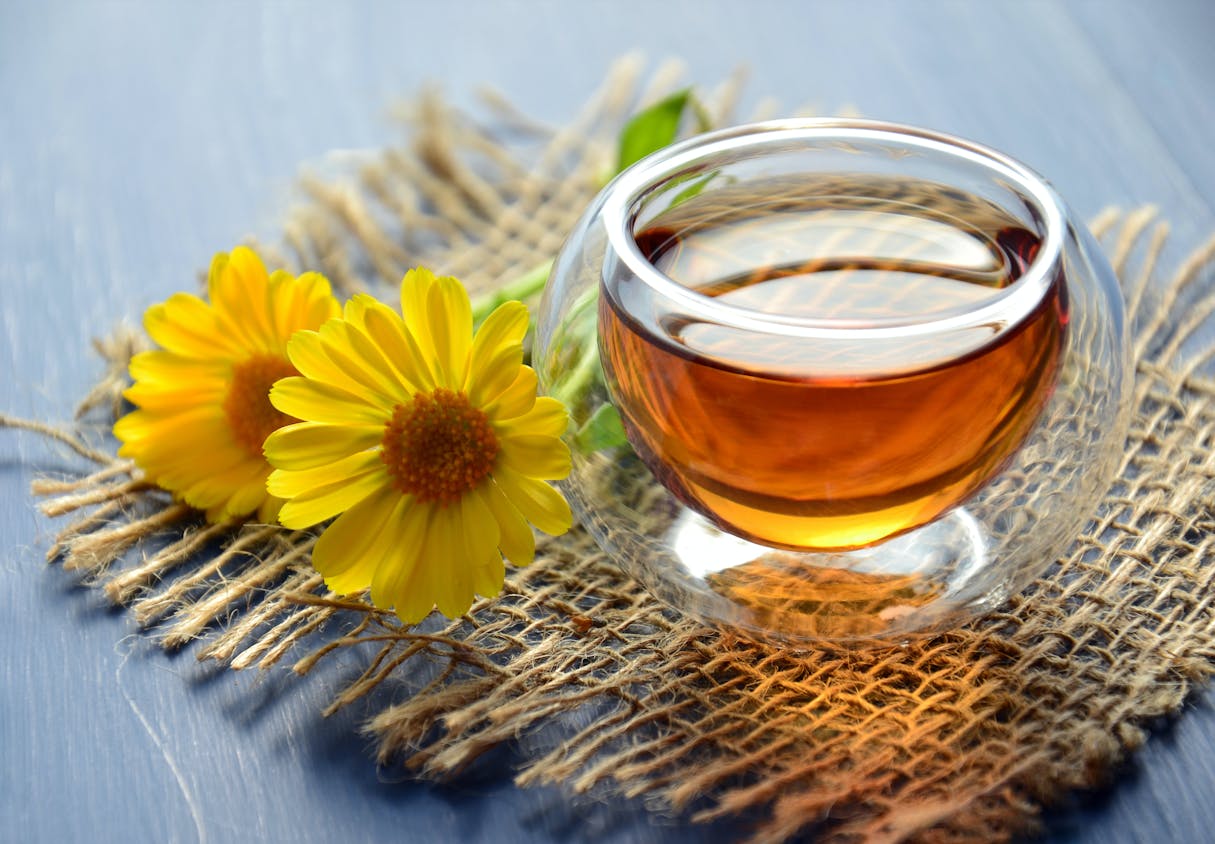
Image: Calming herbal tea—essential component of evening stress-relief ritual
The Atharvaveda recognizes sleep as “Mahaushadha”—the great medicine. Yet 42% of Americans report poor sleep quality (CDC 2026), creating a stress-sleep-stress cycle.
The 10-3-2-1-0 Rule (Modified from Vedic Principles):
10 hours before bed: No caffeine (stimulates Vata)
3 hours before bed: No heavy meals (allows digestion to complete)
2 hours before bed: No work emails (mental digestion)
1 hour before bed: No screens (melatonin production)
0: Number of times you hit snooze (consistent wake time)
Evening Ritual from Yajurveda:
- Warm foot bath with sea salt and lavender (grounds Vata)
- Brahmi oil application to scalp (cooling for Pitta)
- Nasya (nasal oil drops) with warm ghee (prevents snoring, deepens sleep)
- Gratitude journaling (three things from the day)
- Sleep Mantra: Recite the Shanti Mantra:
“ॐ शान्तिः शान्तिः शान्तिः॥”
“Om Shantih Shantih Shantih”
Translation: “Peace, Peace, Peace” (physical, mental, spiritual)
Protocol 6: Brahmi—The Brain Tonic for Mental Clarity
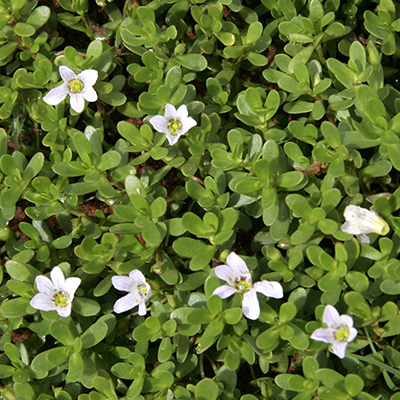
While Ashwagandha calms the nervous system, Brahmi (Bacopa monnieri) specifically targets mental stress—racing thoughts, brain fog, and cognitive overwhelm.
Vedic Background:
Named after Brahma (the creator), Brahmi is mentioned in the Charaka Samhita as a Medhya Rasayana—a substance that enhances intellect and memory.
2026 Research:
A 2026 study in Journal of Ethnopharmacology showed:
- 40% reduction in workplace stress scores
- Improved working memory by 22%
- Reduced mental fatigue in knowledge workers
Dosage: 300mg standardized extract (50% bacosides) twice daily with meals.
Integrating the Four Vedas: Your Personalized Stress Protocol
Morning (Rigveda time):
- Wake during Brahma Muhurta (before 6 AM)
- Chant Gayatri Mantra
- Practice pranayama
- Take Ashwagandha with warm milk
Midday (Yajurveda time):
- Eat largest meal when sun is highest (12-1 PM)
- Practice Karma Yoga (focused work without attachment)
- 5-minute witnessing meditation after lunch
Evening (Samaveda time):
- Chanting or listening to sacred music
- Abhyanga (self-massage)
- Light, early dinner
Night (Atharvaveda time):
- Herbal support (Brahmi tea)
- Sleep hygiene ritual
- Surrender practice (Bhakti)
Troubleshooting: When Vedic Practices Don’t Work
“I tried meditation but my mind races more.”
This is normal—the mind resists stillness initially. Start with moving meditation: walking while repeating a mantra, or yoga asana practice. The Yogasutras (1.2) define yoga as “Chitta vritti nirodha”—stilling the fluctuations of mind. It takes practice.
“Ashwagandha makes me drowsy.”
You’re likely Kapha-dominant or taking too high a dose. Reduce to 150mg morning only, or switch to Brahmi (Bacopa monnieri) which is more stimulating for Kapha types.
“I don’t have time for 30-minute massage.”
Start with feet only (5 minutes before bed). The feet contain marma points (vital energy centers) that influence the entire nervous system.
The 40-Day Challenge: Rewiring Your Stress Response
Neuroscience confirms it takes 40 days to rewire neural pathways. Commit to:
- Morning pranayama: 10 minutes
- Ashwagandha: Daily
- Abhyanga: 3x weekly minimum
- Evening ritual: Daily
- One Bhagavad Gita verse contemplation weekly
Track using these metrics:
- Perceived stress scale (1-10)
- Sleep quality hours
- Reactivity to triggers (scale 1-10)
- Energy levels (afternoon crash?)
Conclusion: Returning to Your Natural State
The Bhagavad Gita (6.20-23) describes the state beyond stress:
“यत्रोपरमते चित्तं निरुद्धं योगसेवया। यत्र चैवात्मनात्मानं पश्यन्नात्मनि तुष्यति॥”
“Yatroparamate cittam niruddham yoga-sevaya | Yatra caivatmanatmanam pasyann atmani tushyati”
Translation: “In the stage of perfection called trance, the mind is completely restrained by the practice of yoga. The yogi is satisfied in the self alone.”
This is the ultimate stress relief—not temporary relaxation, but established inner peace that external circumstances cannot disturb.
The tools are ancient. The science is modern. The time is now.
Start with one practice. Master it. Add another. Slowly, the Sanatan wisdom will transform not just your stress levels, but your entire relationship with life.
Related Articles:
- Complete Guide to Ashwagandha Dosage & Timing
- Understanding Your Dosha: Vata, Pitta, Kapha Quiz
- Morning Routine for Mental Clarity: Dinacharya Guide
Medical Disclaimer: This content is educational only. Consult healthcare providers before starting herbal supplements, especially if pregnant, nursing, or on medications. Ashwagandha may interact with thyroid and sedative medications.