


Overview:
Most people grow up believing that energy comes from coffee, supplements, or constant motivation. When tiredness appears, the first response is usually to push harder or look for something external. But what if the real reason behind low energy is not a lack of effort, but a loss of balance?
The body naturally produces energy every day. This process is quiet and steady. Yet modern habits slowly interfere with it. Late nights, rushed meals, endless mental activity, and borrowed stimulation quietly pull the body away from its natural rhythm. Over time, energy fades—not suddenly, but gradually.
Ancient wisdom never encouraged chasing energy. Instead, it focused on protecting it. Energy was seen as something that stays when life is lived in harmony, and disappears when balance is ignored.
This article explores how simple daily routines, mental calm, and gentle awareness support sustainable energy. There are no shortcuts here. No caffeine, no supplements, and no force. Only a deeper understanding of how the body and mind truly work together.
When balance returns, energy follows naturally.

Introduction: Why We Look for Energy Outside the Body
Many people today feel as if energy is something they no longer have inside them. This belief quietly pushes them to search for it outside—through coffee, energy drinks, supplements, or constant stimulation. When tiredness shows up, the instinct is rarely to slow down or pause. Instead, it is to consume something that promises quick relief. Over time, this response becomes routine, almost automatic.
Ancient wisdom looked at energy very differently. In Vedic understanding, energy was never seen as something the body needs to refill again and again from the outside. It was seen as something naturally present, but easily disturbed when life moves out of balance. When daily routines become irregular, the mind stays restless, and the senses remain overstimulated, natural energy does not disappear—it gets blocked.
The Bhagavad Gita offers a subtle but powerful perspective here. It does not define energy as excitement, alertness, or constant drive. Instead, it points toward steadiness. Energy, in this view, flows naturally when eating, sleeping, working, and resting happen with balance. When life is lived in harmony, the body does not keep demanding external support.
Modern life teaches people to push through tiredness rather than understand it. Over time, this turns into a habit of reaching for stimulation instead of paying attention to what the body actually needs. Ancient Vedic thinking points out that when the mind stays busy and daily habits remain irregular, the body often feels drained—even on days when there is no real physical work
This is why so many people feel exhausted despite doing very little. The issue is not laziness or lack of effort. It is the loss of rhythm. The body is not asking for caffeine or supplements. It is quietly asking to return to alignment.

What Natural Energy Really Means (Not Instant Stimulation)
Natural energy usually builds slowly. It does not arrive suddenly, and it does not push the body into action. Most of the time, it stays in the background, quietly supporting both the body and the mind. Today, many people associate energy with excitement, alertness, or constant motivation. Because of this, anything that gives a quick boost is often misunderstood as real energy. Ancient wisdom never described energy in this way.
True natural energy allows a person to move through the day with less inner resistance. When this kind of energy is present, the body feels less heavy, the mind feels easier to manage, and everyday responsibilities stop feeling so exhausting. It grows over time through steady habits and balance, not through quick stimulation. It lasts longer because it is not borrowed from the nervous system.
Instant stimulation, such as caffeine or artificial boosters, creates only a temporary feeling of alertness. The body is pushed to perform without being properly restored. When the effect wears off, tiredness often returns more strongly. This cycle explains why repeated stimulation feels necessary. Ancient traditions viewed this pattern as a loss of energy rather than a source of it.
Vedic understanding explains that stable energy exists when the body and mind are working together, not against each other. When digestion is settled, sleep follows a natural rhythm, and the mind reacts less to every thought or distraction, energy remains available. There may be no sudden high, but there is also no sudden crash.
Natural energy also carries a different emotional quality. It does not create urgency or restlessness. Instead, it brings steadiness. One can work, think, and rest without feeling constantly drained. In ancient thought, this steady state was seen as a sign of well-being.
Understanding this difference changes how energy is approached. When people stop chasing quick stimulation and begin protecting their natural rhythm, energy slowly returns. Not because something new was added, but because unnecessary drains were removed.
Natural energy is not something to be created. It is something to be preserved.

Why Caffeine and Supplements Give Temporary Energy
Caffeine and supplements seem helpful mainly because they work fast. For a brief period, the mind feels clearer and the body feels slightly more awake, even though nothing real has changed underneath. This quick change makes it easy to believe that energy has increased. But ancient wisdom always made a clear difference between temporary stimulation and real energy.
Caffeine does not actually create energy. It works by delaying the body’s awareness of tiredness. The nervous system is stimulated, and the body is pushed to function without being restored. When this stimulation wears off, the body asks for rest again—usually more strongly than before. This is why the need for repeated doses slowly develops.
Many supplements follow the same pattern. They offer energy by adding something from the outside, instead of addressing what is quietly being drained within. Vedic understanding did not encourage this approach. In older ways of thinking, energy was understood as something that appears when life stays balanced, not something that can be created by forcing the body from the outside.
Hindu wisdom looked at the body as something that knows how to adjust and restore itself, as long as it is not constantly disturbed. When sleep becomes irregular, digestion weakens, or the mind stays constantly stimulated, energy naturally declines. Adding stimulation on top of imbalance only covers the signal. The deeper cause remains unchanged.
Another reason caffeine and supplements feel temporary is mental dependence. When the mind starts believing that energy must come from outside, it slowly stops paying attention to the body’s own signals. Over time, the body loses confidence in its own rhythm. Instead of becoming stronger, natural energy becomes less accessible.
Vedic thought focused on conserving energy rather than constantly activating the system. When effort continues without proper restoration, fatigue slowly increases. Real energy returns when the body is allowed to reset—through regular routine, calm digestion, proper rest, and a quieter mind.
Temporary energy excites the system.
Natural energy supports it.
This is why ancient wisdom emphasized balance over boosters. When unnecessary stimulation is reduced, the body gradually remembers how to feel energetic on its own.
The Hindu View of Energy and Balance in Daily Life
In Hindu philosophy, energy was never treated as something that needed to be chased or pushed into existence. It was seen as a natural result of living in balance. When daily life stayed close to nature, energy felt steady and available. When life became rushed, irregular, or extreme, energy slowly began to slip away.
Ancient Hindu thought understood the human being as a combination of body, mind, and awareness. Energy depended on how well these three stayed aligned. If the body rested but the mind remained restless, energy still felt low. If the mind felt calm but the body was overworked, the same problem appeared. Balance between all three was considered essential.
Daily life was shaped around rhythm rather than pressure. Waking with natural light, eating at regular times, working with attention, and resting without guilt were seen as ways to protect energy. These habits were not designed to increase productivity. They existed to help life remain sustainable over time.
Hindu wisdom also cautioned against extremes. Too much effort, too much inactivity, excessive control, or unchecked indulgence were all viewed as draining. Balance did not mean doing more or doing less. It meant responding appropriately to each moment.
Another important understanding was non-resistance. It was understood that energy slowly fades when life is approached with constant resistance rather than acceptance. Stress, worry, and emotional attachment were seen as quiet leaks. When the mind resisted situations or held tightly to outcomes, energy slowly drained without notice.
Rather than stimulating the body, Hindu living focused on reducing unnecessary friction. When friction decreased, energy became available on its own. For this reason, calm habits, simple routines, and moderation were always preferred over constant excitement or extreme effort.
From this point of view, low energy was never considered a failure. It was treated as information—a sign that daily life had moved away from harmony. The solution was not to add more effort, but to restore balance.
In Hindu understanding, energy was not created through force. It was preserved through balance.

Understanding Energy Through the Bhagavad Gita
The Bhagavad Gita looks at energy in a very different way. It does not define energy only as physical strength or the ability to keep working. Instead, it describes energy as inner stability. A person may appear busy and active on the outside, yet still feel completely drained inside. According to the Gita, real energy exists when the mind, actions, and expectations move together without conflict.
Krishna points out that tiredness is often internal, not caused by work alone. When actions are shaped by fear, pressure, comparison, or worry about outcomes, the mind remains active even during rest. Even during physical rest, inner tension continues. This quiet tension slowly consumes energy.
The Gita offers a practical way to act without becoming exhausted internally. It teaches involvement without emotional burden.
Sanskrit Shlok (Bhagavad Gita 2.48)
योगस्थः कुरु कर्माणि सङ्गं त्यक्त्वा धनञ्जय।
सिद्ध्यसिद्ध्योः समो भूत्वा समत्वं योग उच्यते॥
Krishna advises Arjuna to perform his duties with steadiness, without clinging to success or fearing failure. Remaining calm in both outcomes is described as yoga. This state of balance is not spiritual theory alone—it directly affects daily energy.
If the mind stays fixed on results, it carries tension even during rest. This hidden tension slowly consumes energy. The Gita’s idea of detachment is not about becoming careless, but about easing this inner grip. It means freedom from unnecessary emotional strain.
The Gita shows that energy is preserved when effort is combined with acceptance. As inner resistance softens, the body finds its way back to recovery on its own. Even ordinary daily tasks begin to feel lighter when the mind stops fighting situations.
Another key idea emphasized by Krishna is samata, or mental steadiness. A steadier mind does not jump into reaction with every situation. It responds with awareness, and this reduces the energy loss that comes from repeated emotional reactions.
From the Gita’s point of view, energy is not built by pushing harder, but by easing the inner struggle that quietly exhausts the mind. When actions are done with presence and without excessive attachment, fatigue reduces naturally.
The Bhagavad Gita reminds us that sustainable energy is not something we force. It appears as a natural result of inner balance. When the mind stops resisting life at every step, energy loss gradually slows down.
Why Daily Routine Matters More Than Motivation
Many people wait for motivation before paying attention to their energy. They feel that once they become inspired, disciplined, or emotionally ready, healthy habits will automatically follow. Ancient wisdom looked at life from a very different angle. It did not place motivation at the center of daily living. Instead, it trusted routine. The reason was practical: motivation changes, but routine remains steady.
Motivation is closely tied to mood, thoughts, and external situations. On some days it feels strong, and on other days it feels completely absent. When daily energy depends only on motivation, the body and mind experience constant ups and downs. With time, irregular habits reduce natural energy, even when a person’s intentions are genuine..
Vedic thought suggests that the body feels most comfortable when daily life follows a rhythm. Similar timings for waking, eating, working, resting, and sleeping help the body stay oriented and relaxed. When the body knows what is coming next, it does not waste energy adjusting to uncertainty. Energy that would otherwise be spent on constant adaptation is gently preserved.
In ancient daily life, routine was not seen as strict discipline. It was considered a form of gentle structure. People did not question basic actions every day or wait to feel motivated before resting or eating. They followed natural timing. Because of this, energy remained stable instead of rising and falling unpredictably.
Routine also supports the mind. When everyday actions become predictable, the mind stops negotiating simple decisions. This naturally lowers overthinking and internal conflict. When mental noise reduces, mental drain also reduces, allowing physical energy to remain steadier.
Motivation can push the body for a short period, but routine supports it quietly every day. Motivation often burns energy quickly. Routine protects it slowly.
This is why ancient wisdom valued small, repeatable habits over intense effort. A simple routine followed consistently creates more sustainable energy than powerful motivation followed occasionally. When routine becomes natural, energy no longer feels forced. It begins to feel available.
Daily energy does not grow because we push harder. It grows when life becomes predictable, calmer, and more balanced.

How Sleep Rhythm Builds Sustainable Energy
Sleep rhythm has very little to do with numbers on a clock. It has more to do with when and how the body actually rests. It is more about timing, regularity, and how the body experiences rest. Ancient Vedic wisdom looked at sleep as a natural reset, not just for the body, but for the mind as well. When sleep follows a steady rhythm, energy does not need to be pushed during the day. It becomes available on its own.
Modern life has slowly separated sleep from rhythm. Many people go to bed at different times every night, depending on work, screens, or mental overload. Even when sleep duration seems sufficient, irregular timing prevents deep recovery. That is why a person can stay in bed for long hours and still wake up feeling heavy, dull, or unrested. The body never fully relaxed.
Vedic understanding saw the body as closely connected to natural cycles. Night was always meant to slow life down, to bring quietness, and to give the body and mind a chance to turn inward. When sleep is delayed after long hours of stimulation, the nervous system stays alert. Instead of restoring energy, the body continues to spend it through the night.
Sustainable energy develops when rest becomes predictable. When the body knows that sleep will come at a similar time each night, it feels safe enough to let go. When the body feels safe enough to rest, relaxation naturally deepens. Digestion calms, the body repairs itself quietly, and the mind slowly clears. With time, mornings stop feeling like a struggle and begin to feel lighter.
Ancient traditions never praised productivity that came at the cost of sleep. Resting early was respected because it allowed the body to repair itself in its own natural way. This approach was never about strict discipline. It was about protecting energy so life could be lived with steadiness rather than exhaustion.
Another important part of sleep rhythm is how the day is mentally closed. Going to bed with unresolved thoughts keeps the mind active even when the body lies down. Vedic living encouraged gentle endings to the day—silence, reflection, or simple prayer—so the mind could release its grip. When thoughts soften, sleep becomes nourishing.
Natural energy is rebuilt quietly at night. It does not appear as excitement or sudden motivation. It shows itself the next day as steady focus, emotional balance, and ease in movement.
When sleep becomes rhythmic instead of random, energy stops leaking. The body no longer depends on stimulation to wake up. It wakes naturally, because it was truly allowed to rest.
Energy is not created in the morning.
It is protected the night before.

Food Habits That Support Natural Daily Energy
Food was never meant to act like fuel that pushes the body into action. In ancient Vedic thought, food was understood as support, not stimulation. Daily energy was not linked to eating something special once in a while, but to how food was eaten every single day—with regularity, attention, and calm.
Modern eating habits quietly disturb this balance. Today, meals are often hurried, eaten at odd times, or consumed while the mind is distracted. Even good food fails to nourish properly when digestion is constantly unsettled. Vedic wisdom placed digestion at the center of vitality, observing that when digestion weakens, both physical strength and mental clarity slowly decline.
Natural energy is closely tied to how easily the body handles food. When meals happen at roughly the same time each day, the body starts recognising the pattern on its own. Digestion feels lighter, nutrients are taken in more smoothly, and less energy is wasted correcting irregular habits.
Older traditions quietly stressed moderation. Eating was never meant to leave the body feeling heavy. Eating too much created heaviness, while eating too little created weakness. Both disturbed balance. Vedic living encouraged stopping before fullness turned into discomfort. Food was meant to support daily life, not slow it down. This allowed the body to remain active without strain or sluggishness.
Mindful eating was equally important. Meals were taken without distraction, conflict, or haste. When the mind stayed calm during eating, digestion naturally improved. This connection explains why fatigue often appears even when the diet looks correct on paper, but the mind remains restless.
Food quality mattered, but timing and awareness mattered even more. Heavy meals late at night were avoided because they interfered with sleep and reduced energy the next day. Simple, warm, freshly prepared food was preferred because it supported steady digestion and calm energy.
Natural daily energy is not increased by adding special foods or following extreme rules. It is preserved by respecting the body’s digestive rhythm. When digestion works smoothly, energy stays stable instead of rising and crashing.
Food does not need to excite the body to energize it.
It needs to nourish without burden.
When eating becomes regular, moderate, and mindful, energy begins to stay with you throughout the day—quietly, steadily, and naturally.

The Role of Mental Calm in Physical Energy
Many people assume that low energy is always a physical problem. If the body feels tired, the body must be the cause. But ancient understanding looked at energy very differently.Ancient thinkers also observed something simple but important: the mind often sets the tone for how the body feels. When thoughts remain tense, worried, or crowded, the body carries that tension without complaint.
A constantly active mind keeps the nervous system alert, even during moments meant for rest. Without noticing it, the body stays on edge. Muscles do not fully relax, breathing stays shallow, and recovery never feels complete. Over time, this constant inner activity turns into physical heaviness and slow movement.
Vedic thought explained that the body never works alone. It responds to mental states first. When the mind is restless, the body follows that restlessness. But when the mind settles, the body naturally conserves energy. Digestion becomes smoother, sleep feels deeper, and effort feels lighter.
This is why two people with similar routines can experience very different energy levels. One may feel drained, while the other feels steady. Often, the difference is not the schedule, but the amount of mental noise carried through the day.
Ancient traditions never separated physical strength from inner calm. Calmness was seen as a source of vitality, not weakness. When reactions slow down, energy stops leaking. The body no longer wastes strength responding to every thought, fear, or expectation.
Modern life quietly trains the mind to stay active at all times. Screens, notifications, planning, and constant information keep mental tension alive, even while the body is still. Vedic wisdom suggested a simpler approach—not adding more effort, but reducing unnecessary mental movement.
Small moments of mental calm during the day slowly rebuild physical energy. Sitting quietly for a few minutes, slowing the breath, or doing one task at a time sends a signal of safety to the nervous system. When the mind feels safe, the body releases stored tension.
Physical energy does not return by pushing harder. It returns when the mind stops pulling in too many directions. Mental calm is not laziness. It is the foundation of sustainable strength.

Why Mental Overload Drains the Body
Many people feel tired even on days when their body has not done much physical work. This kind of tiredness often feels confusing. The real reason is usually not the body, but the mind. In today’s life, the mind is rarely allowed to slow down. One thought ends and another begins almost immediately, creating quiet but constant inner pressure.
This pressure may not be visible, but it slowly consumes physical energy. The body responds to mental overload even when there is no real physical demand. Over time, the body starts feeling heavy, slow, and drained.
Vedic wisdom always viewed the mind and body as deeply connected. When the mind holds too much at once, the body naturally takes on part of that burden. Mental overload does not remain limited to thoughts alone. It quietly affects breathing patterns, digestion, sleep quality, and even posture. The body stays alert, as if something urgent is happening, even when there is no actual danger.
Modern life increases this pressure in subtle ways. Information flows nonstop. Messages, decisions, comparisons, and expectations fill the day, and even rest does not fully quiet the mind. Ancient understanding explained that when the mind never truly rests, the body cannot restore energy properly.
Vedic thought teaches that energy is preserved when the mind moves with clarity, not speed. A restless mind keeps pulling energy from the body again and again. This is why mental exhaustion often feels heavier than physical work. Because of this, the body rarely receives a clear signal to relax and reset.
Emotional holding also plays a role. Unspoken feelings, unfinished thoughts, and constant planning keep inner tension alive. Ancient traditions valued simplicity and mental order because they understood the cost of inner clutter.
The solution is not forcing the mind to stop. Vedic wisdom never encouraged suppression. Instead, it emphasized awareness and rhythm. When the mind is given moments of silence, single-task focus, and a predictable routine, overload begins to reduce naturally.
As the mind slowly becomes calmer, the body begins to return to its natural balance. Energy stops leaking through unnecessary alertness. Over time, the body feels lighter — not because effort has reduced, but because inner noise has reduced.
Mental overload drains the body silently. Awareness restores energy gently.

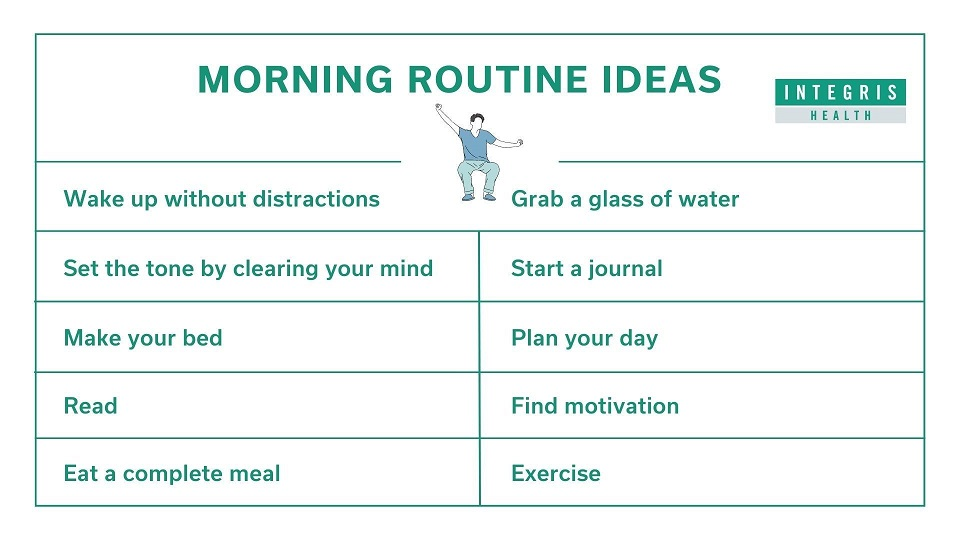
Simple Morning Habits to Build Energy Naturally
Morning is often described as the most important part of the day, yet it is also the most rushed and overlooked. Ancient wisdom did not treat morning as just another time slot. It was seen as the base on which the body and mind stand for the rest of the day. How the day begins quietly decides how energy moves later.
Natural energy does not come from doing many things early in the morning. It comes from doing a few things slowly and with care. Traditional Vedic living always respected the body’s transition from rest to activity. When the body is allowed to wake up without pressure, energy flows on its own instead of being forced.
One gentle habit that supports this shift is waking up around the same time each day, giving the body a sense of rhythm and ease. This has nothing to do with strict discipline or productivity goals. It is about familiarity. When the body recognizes a regular rhythm, it does not remain tense or alert. That sense of predictability saves energy that would otherwise be spent adjusting.
Silence also played an important role in ancient mornings. A few quiet moments after waking were valued, not as a practice, but as a pause. This silence allows the mind to settle naturally. When the day does not begin with screens, messages, or noise, the mind arrives slowly. A calm mind does not pull energy away from the body.
Even simple acts like drinking water were done without hurry. It was not treated as a rule or remedy, but as a gentle signal. The body understands this calm start and responds with steadiness. When mornings are rushed, urgency sets in, and urgency consumes energy faster than any physical effort.
Gentle movement was also preferred over intensity. Early mornings were meant for slow walking, light stretching, or relaxed movement. The goal was not exercise, but awakening. Movement that supports the body helps energy rise gradually instead of draining it.
Above all, ancient wisdom emphasized beginning the day without hurry. When the morning is calm, the body does not shift into survival mode. Energy then remains stable instead of fluctuating throughout the day.
Natural morning habits do not create excitement or motivation. They create balance. And balance, when repeated daily, quietly turns into sustainable energy.

How Gentle Movement Supports Daily Energy
Energy is often misunderstood. Many people grow up thinking that feeling energetic means doing more, pushing harder, or exhausting the body through intense workouts and long hours of effort. But this idea was never supported by ancient wisdom. It observed something much simpler: energy stays when the body is treated gently, and fades when it is constantly forced.
Vedic understanding looks at the body as a living system, not a machine. This system responds best to rhythm, not pressure. When movement is gentle, breathing stays natural, digestion remains calm, and the nervous system does not shift into stress mode. In this state, energy moves freely instead of being burned up.
Gentle movement does not mean exercise plans or strict routines. It means simple, everyday actions—walking slowly, stretching lightly, changing posture often, or moving with awareness during daily tasks. These movements wake up the body without shocking it. They support circulation, joint comfort, and mental clarity at the same time.
In traditional life, movement happened naturally. People walked more, sat closer to the ground, used their hands, and shifted positions throughout the day. There was no clear line between exercise and living. Because movement was constant but soft, energy stayed stable from morning to evening.
Gentle movement also affects the mind. When the body moves slowly and without hurry, the mind follows the same pace. Thoughts lose urgency. Internal noise settles. Mental fatigue reduces because the body and mind are no longer working against each other.
This kind of movement also builds awareness. Instead of forcing productivity, it encourages listening. When the body signals rest, it is respected. When movement feels nourishing rather than draining, energy begins to feel dependable instead of temporary.
Daily energy is not created by intensity. It is protected by consistency and care. Gentle movement respects the body’s natural limits, and because of that, energy remains available throughout the day.
Energy grows when movement supports life, not when life is pushed beyond balance.

Why Consistency Creates More Energy Than Intensity
Many people believe that having more energy means doing more in less time. This thinking slowly pushes life toward intensity—hard workouts, long working hours, sudden lifestyle changes, or strict discipline. At first, this approach may seem productive. But ancient wisdom noticed something important: intensity may give quick results, yet it often leads to deep exhaustion over time.
Consistency works in a very different way. It does not demand effort or create pressure. It works quietly. When small actions are repeated gently every day, the body begins to feel safe within that rhythm. This sense of safety reduces stress, and when stress reduces, energy naturally stays protected.
Vedic understanding explains that the body and mind function best when daily life feels predictable. Irregular effort confuses the system. One day of extreme activity followed by complete exhaustion creates imbalance. Consistent habits, even simple ones, create stability. And stability allows energy to remain available instead of being spent on constant recovery.
Consistency does not mean doing a lot. It means doing a little, regularly. A short walk every day often supports energy better than one intense workout a week. Eating calmly at similar times helps digestion more than following strict diets occasionally. Sleeping at regular hours restores energy far better than trying to recover lost sleep later.
Intensity also creates mental pressure. The mind begins to measure progress, compare results, and fear falling behind. This inner noise quietly drains energy. Consistency removes this pressure. When actions become familiar and routine, the mind relaxes. And when the mind relaxes, the body stops wasting energy on resistance.
Ancient daily life followed simple, repeating patterns. Work, rest, movement, and quiet reflection happened in predictable cycles. There was no urgency to improve quickly. Growth was allowed to happen at its own pace. This way of living kept energy steady not just for a day, but across seasons.
Consistency also builds trust within the body. When care is steady, the body responds with steadier energy. There are fewer sudden highs and fewer heavy crashes. Energy becomes reliable rather than unpredictable.
Intensity asks the body to perform. Consistency allows the body to cooperate.
Daily energy is not built by pushing harder for short periods. It is built by showing up gently, again and again.

Common Mistakes That Reduce Natural Energy
Many people feel that low energy shows up suddenly, as if it appears overnight. But ancient wisdom looked at energy very differently. It taught that energy usually fades slowly, through small daily habits that often go unnoticed. Because these habits feel normal in modern life, they are rarely questioned. Over time, they quietly weaken both the body and the mind.
One common habit is ignoring daily rhythm. Sleeping at different times each night, eating without a fixed pattern, and working for long hours without pause confuses the body. When the body cannot predict rest or nourishment, it stays alert instead of relaxed. This constant alertness uses energy even when there is no physical effort.
Another overlooked drain is continuous mental stimulation. Screens, notifications, and constant information keep the mind active all day. Even when the body stops moving, the mind keeps working. Ancient understanding clearly separated activity from rest. Without mental quiet, energy has no space to rebuild.
Many people also confuse stimulation with real energy. Coffee, sugar, or constant motivation may create a brief sense of alertness, but they do not restore strength. The body is pushed rather than supported. When this pattern repeats, natural energy slowly weakens.
Skipping gentle movement is another silent drain. Sitting for long periods without changing posture slows circulation and digestion. Traditional life included natural movement throughout the day—walking, bending, and shifting positions. This kept energy flowing without effort or strain.
Emotional suppression also plays a role. When worry, stress, or frustration are ignored, the mind continues processing them in the background. This hidden mental work consumes more energy than many physical tasks. Vedic wisdom encouraged awareness, not suppression, as a way to release this burden.
Lastly, forcing productivity reduces energy. When rest is treated as laziness and balance is ignored, the body begins to resist. This resistance drains energy faster than work itself.
Natural energy does not disappear without reason. It fades when balance is disturbed again and again. When these habits are gently corrected, energy does not need to be forced. It slowly returns on its own.

How Detachment Helps Preserve Energy
Many people feel drained not because they are doing too much, but because their mind is holding on to too many things at once. Expectations, worries, unfinished thoughts, and emotional reactions quietly pull attention in different directions. Ancient wisdom understood this very clearly. It explained that this inner holding slowly consumes energy, even when the body is physically at rest.
In Hindu philosophy, detachment does not mean stepping away from life or becoming careless. It means staying involved without being mentally trapped by results. When actions are done with strong attachment, the mind keeps revisiting outcomes—what went right, what went wrong, what might happen next. This mental replay uses more energy than the action itself.
The Bhagavad Gita explains this idea in a simple yet powerful way.
Bhagavad Gita – Chapter 2, Verse 47
कर्मण्येवाधिकारस्ते मा फलेषु कदाचन।
मा कर्मफलहेतुर्भूर्मा ते सङ्गोऽस्त्वकर्मणि॥
This teaching reminds us that our role is to act sincerely, not to constantly carry the weight of results. When the mind loosens its grip on outcomes, inner tension begins to drop. The body no longer prepares for imagined futures, and energy stays available in the present moment.
Vedic understanding shows that attachment creates resistance. This resistance appears as worry, overthinking, and emotional fatigue. When resistance is removed, actions still continue, but the mental load becomes lighter. The same work feels less tiring because the mind is no longer pulling against itself.
Detachment also supports emotional balance. When experiences are observed instead of emotionally owned, feelings pass naturally. The mind does not circle around the same situation again and again. This prevents energy loss caused by constant emotional processing.
In daily life, detachment shows up in small ways—doing work without harsh self-judgment, allowing situations to unfold without excessive control, and resting without guilt. These shifts may look simple, but they protect energy deeply.
Energy is preserved when the mind stops dragging life toward imagined outcomes. Detachment creates inner space, and within that space, energy remains steady and available.
A Calm, Sustainable Way to Feel Energized Every Day
Many people spend their lives searching for energy, as if it is something they have lost along the way. When tiredness shows up, the assumption is simple—something needs to be added. More effort. More stimulation. More push. Ancient wisdom looked at this very differently.
It taught that energy is not missing. It is already present. What changes is how easily it can flow. When life becomes too fast, too noisy, or too demanding, that natural flow gets blocked. A calm and sustainable way of living does not manufacture energy. It quietly removes the habits that drain it.
Sustainable energy feels steady rather than sharp. It does not arrive suddenly in the morning and disappear by afternoon. It supports work, thinking, and rest without constant struggle. This kind of energy grows when the body and mind are treated with cooperation, not control.
Vedic thought places great value on simplicity. When daily life is less crowded—with fewer distractions, fewer expectations, and less unnecessary pressure—the nervous system begins to soften. As tension reduces, energy stops leaking away. Calmness here does not mean doing nothing. It means moving through life without inner resistance.
Acceptance plays a quiet but important role. When people stop fighting their natural limits, frustration loosens its grip. Allowing slower days, resting without guilt, and respecting natural rhythms helps energy remain balanced instead of scattered.
Presence matters just as much. When attention stays with what is happening now, the mind no longer wastes energy replaying old moments or worrying about what comes next. Awareness gathers what has been spread too thin and brings it back into the body.
Ancient life supported this naturally. There was time to work, time to pause, and time to simply observe. This rhythm allowed energy to renew itself day after day, without force.
A calmer approach also changes how challenges are met. Instead of immediate reaction, there is space. In that space, the body does not tense unnecessarily, and energy stays available.
Sustainable energy is not built by doing more. It comes from doing what is needed with clarity and ease. When life is lived gently, energy becomes steady instead of unpredictable.
Feeling energized every day does not require stimulation. It requires alignment—with the body, the mind, and the natural flow of life.

Conclusion: Building Energy Without Depending on Stimulants
Modern life has slowly trained many people to look for energy outside themselves. When tiredness appears, the first instinct is often coffee, supplements, or some form of motivation. These options feel helpful in the moment, but they quietly miss a deeper truth. Energy usually does not disappear all at once, and it does not need to be manufactured. Most of the time, it fades when balance is disturbed and returns when balance is respected.
Natural energy is rarely dramatic. It does not rush or demand attention. It supports daily life quietly, almost unnoticed. When routines soften, when the mind reacts less, and when the body is treated with care rather than pressure, energy begins to feel steady again. This quiet steadiness was always valued in ancient traditions, far more than short bursts of excitement.
Teachings from the Bhagavad Gita and broader Vedic thought consistently point toward this idea. Force exhausts, while awareness preserves. When actions are performed without constantly clinging to outcomes, the mind stops spending energy on imagined futures. When rest is allowed without guilt, the body recovers on its own terms.
Building energy without stimulants asks for patience. The body does not respond well to sudden changes, but it responds deeply to consistency. Simple habits repeated daily—sleeping at similar times, eating calmly, moving gently, and allowing moments of quiet—create conditions where energy can remain instead of slipping away.
This perspective also changes how tiredness is understood. Instead of seeing it as something to fight or judge, tiredness becomes information. It signals imbalance, not failure. Listening to this signal is not weakness; it is awareness.
A sustainable life does not revolve around constant productivity. It leaves room for pause, reflection, and recovery. In that space, energy stops leaking through stress and resistance.
When life is guided by balance rather than pressure, energy no longer needs to be borrowed. It stays close, moving with the day instead of against it.
True energy is not taken from the body.
It is protected by how we live.
A really good blog and me back again.