


Introduction: Why I Feel Tired Without Doing Much
Many people ask themselves, “why am I always tired,” even when they are not doing heavy work. Many days, I wake up feeling tired before the day even begins. I have not done any physical labor, yet my body feels slow and my mind feels restless. By afternoon, even simple tasks start to feel difficult. I want to sit quietly, but my thoughts keep running.
For a long time, I believed this tiredness meant something was wrong with me. But slowly, I noticed that many people around me feel the same way. Friends, office workers, students, and even people who stay at home often say, “I don’t know why, but I feel tired all the time.”
This kind of tiredness is not new, but modern life has made it very common. Interestingly, ancient Hindu wisdom spoke about energy, balance, and daily routine thousands of years ago. Those teachings help us understand why we feel tired today and how we can slowly feel active again.
Feeling Tired Has Become Normal
In today’s world, being tired feels normal. People joke about it and accept it as part of life. We wake up with alarms, rush through the day, and go to bed while our minds are still busy.
Ancient traditions did not see tiredness as normal. They believed that when life moves away from balance, the body and mind start giving signals. Tiredness was one such signal. It was not seen as laziness or weakness, but as a reminder that something in daily life needs attention.

How Modern Life Drains Energy Quietly
Modern life does not always look difficult. Many people sit in comfortable chairs, work indoors, and have access to food and technology. Still, energy feels low.
The reason is simple. Today’s tiredness is not only physical. It is mental and emotional.
Phones, notifications, screens, and constant information keep the mind active all the time. Even when the body rests, the mind keeps moving. This continuous mental activity slowly turns into physical tiredness.
Another reason is the lack of routine. Sleeping late one day and early the next day confuses the body. Eating at different times every day does the same. The body works best when it knows what to expect.
The Hindu View of Energy and Balance
Hindu philosophy always placed great importance on balance. Energy was not something to be forced. It was something to be protected through right living.
The Bhagavad Gita clearly explains this idea.
Sanskrit Shlok (Bhagavad Gita – Chapter 6, Concept of Balance)
युक्ताहारविहारस्य युक्तचेष्टस्य कर्मसु।
युक्तस्वप्नावबोधस्य योगो भवति दुःखहा॥or English Format
“The Bhagavad Gita explains that when our eating, work, rest, and sleep are in balance, the body feels lighter and the mind remains calm. Life feels lighter, stress reduces, and daily tasks become easier. This balance avoids extremes and supports steady energy, better focus, and a peaceful routine each day.”
Ayurveda and the Idea of Daily Routine (Dinacharya)
Ayurveda, which is deeply connected to Hindu tradition, explains energy through Dinacharya, meaning daily routine.
Ayurveda observed that the human body follows natural cycles. When we ignore these cycles, tiredness appears.
According to Ayurvedic thought:
- Waking up early aligns the body with natural light
- Eating at fixed times supports digestion
- Sleeping before midnight allows deeper rest
These practices were not strict rules. They were gentle guidelines meant to protect energy.
Modern life often breaks all these patterns. As a result, the body struggles to stay active.

Why Mental Rest Is Rare Today
Many people think rest means lying down or watching something. But ancient wisdom made a clear difference between physical rest and mental rest.
Mental rest means silence. It means giving the mind time without stimulation.
Today, even rest time is filled with screens. This keeps the brain alert and prevents real recovery. Over time, this constant alertness leads to tiredness that sleep alone cannot fix.
Why Coffee and Sugar Feel Helpful but Do Not Last
Many people rely on coffee, tea, or sugar to feel active. These give quick energy, but the effect does not last. Once the effect fades, tiredness returns even stronger.
Ancient teachings never encouraged depending on external stimulation for energy. They focused on preserving natural strength through routine, moderation, and awareness.
Energy was meant to be steady, not borrowed.
Simple Solutions from Hindu Wisdom
Ancient Hindu teachings were practical. They focused on daily habits rather than quick fixes.
Here are some simple ideas inspired by those teachings.
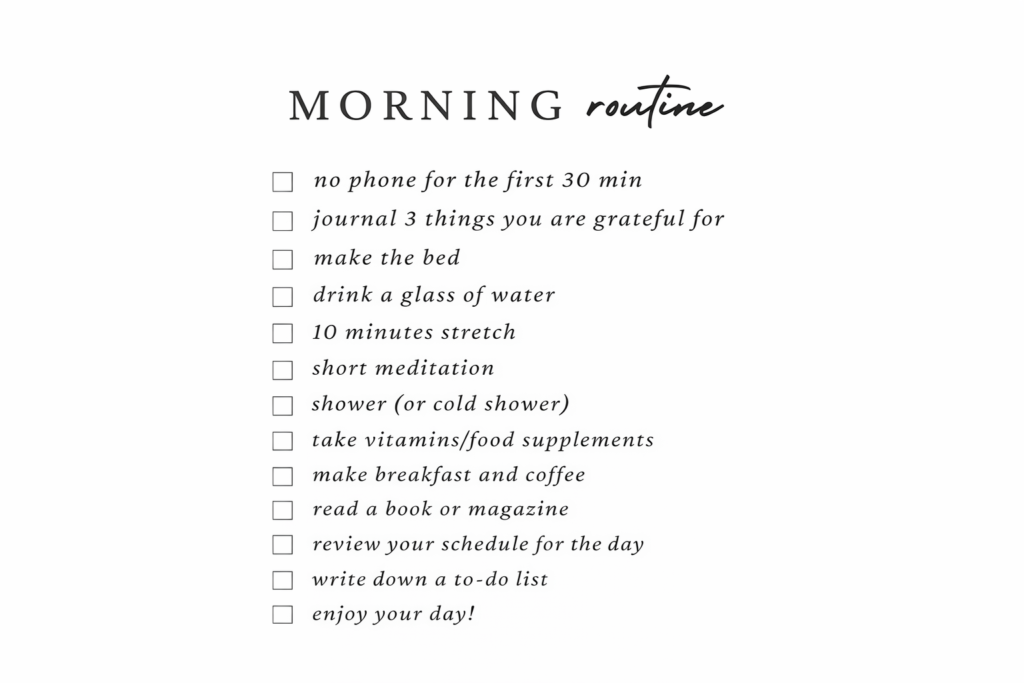
1. Follow a Gentle Routine
Try waking up and sleeping at similar times every day. Even if the change is small, the body starts trusting the routine. Over time, energy becomes more stable.
2. Eat With Attention
Hindu tradition always respected food. Eating calmly, without screens or hurry, supports digestion. Better digestion often leads to lighter and more active feelings.
3. Reduce Mental Noise Daily
Try to spend ten quiet minutes every day without your phone, music, or other noise. This practice gives deep rest to the mind.
4. Morning Light and Movement
Traditional life encouraged exposure to early morning light. A slow walk or simple movement in the morning helps the body feel awake naturally
Tiredness Is Not Laziness
Hindu philosophy never labeled tiredness as laziness. It saw tiredness as a message. When energy drops, it means balance is missing somewhere.
Understanding this idea removes guilt and stress. Instead of fighting tiredness, one learns to listen to it.
A Calm Way to Look at Energy
Ancient wisdom did not promise endless energy. It promised sustainable energy. Energy that feels calm, steady, and natural.
Modern life may remain busy, but small daily adjustments can change how we feel inside.
Sometimes, the body is not asking for motivation.
It is asking for balance.
Conclusion: Living Gently to Restore Energy
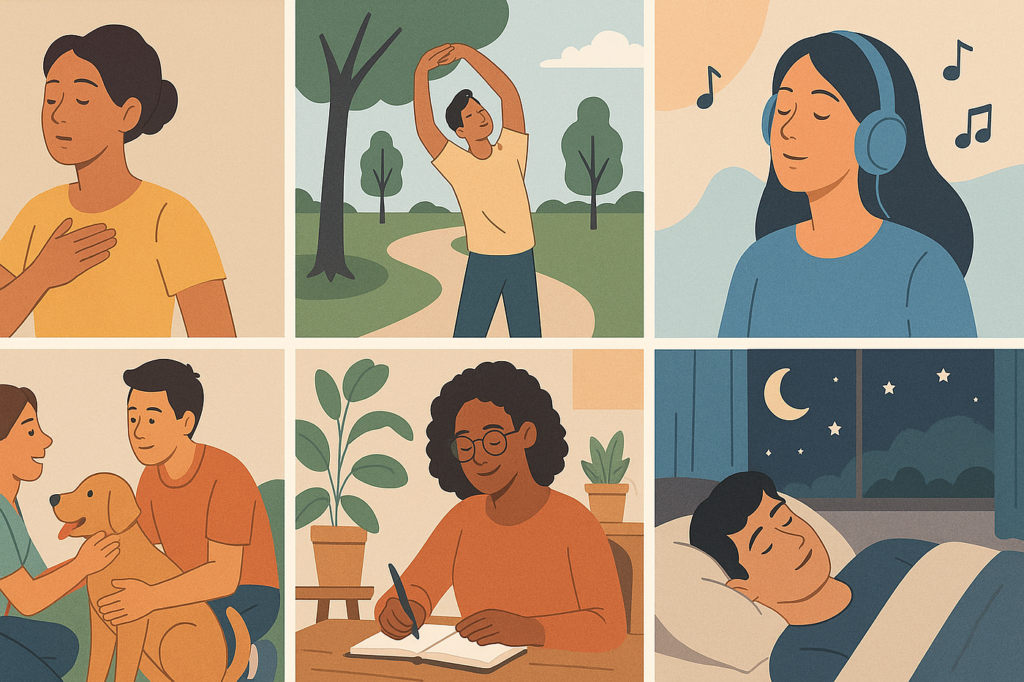
Feeling tired every day without doing much is not a personal failure. It is often a result of living against natural rhythms.
Hindu wisdom teaches that when daily life becomes balanced, energy follows naturally. No extreme effort is needed. No force is required.
By respecting routine, calming the mind, and living with awareness, tiredness slowly loses its hold.
Energy does not come from pushing harder. It comes from living more gently.
This article is for educational and awareness purposes only. It does not replace professional medical advice. Please consult a qualified professional if needed.
Its really good
Thanks Lisa, For your feedback.